

Unmanageable, tangled, and wild hair? The solution to those are often associated with the magical solution of keratin treatments, but don’t trust all that you hear. It may end up being more trouble than its worth.
The Problem with Keratin Treatments
Keratin treatments are not fresh off the shelf. They are known for their ability to tame frizzy hair by providing you with long-lasting smoothness. The process entails the application of a keratin protein formula to your hair, which is then sealed in using high heat from a flat iron. The process aims to achieves 2 things -— hair smoothing for those with tangled or frizzy hair, and restructures the hair’s texture for a straighter look, perfect for taming curly or unruly locks.
Keratin is great. The process? Not so much. The intense heat, that can reach up to 450°F, will weaken the hair shaft, leading to dryness, breakage, and split ends. It won’t be noticeable when the effects of keratin is locked into your hair. But when it wear off – which will happen, the damage will be visible. So the solution is to do it again? Or would it be considered ironic that the very treatment providing you with the appearance of healthier hair is also destroying it?
But it doesn’t stop there. Additionally, many keratin treatments contain formaldehyde and/or other harsh chemicals, which is use to help the hair bond to its new structure, but will come with serious consequences. Formaldehyde is a known carcinogen that even in small amounts, can cause skin irritation, respiratory issues, and eye problems for both clients and stylists. Read more
Should you convince yourself that the benefits outweighs the costs — or is there a better alternative?
Hair Botox: The Better Alternative
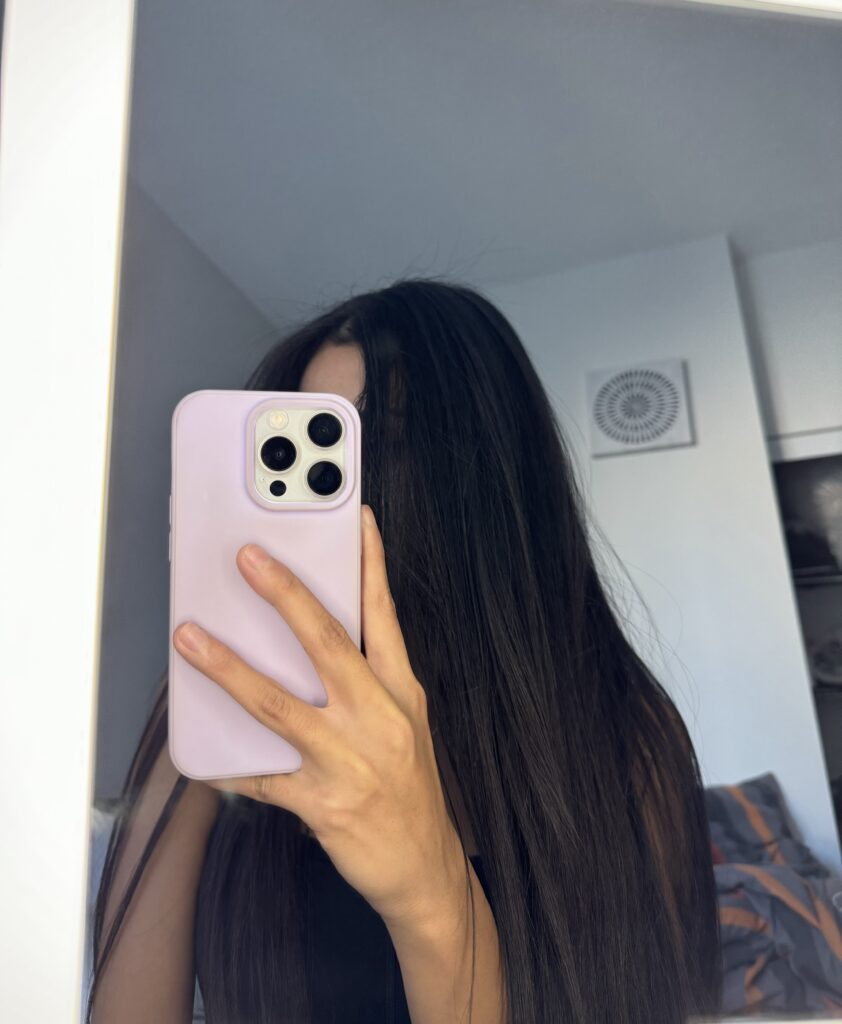
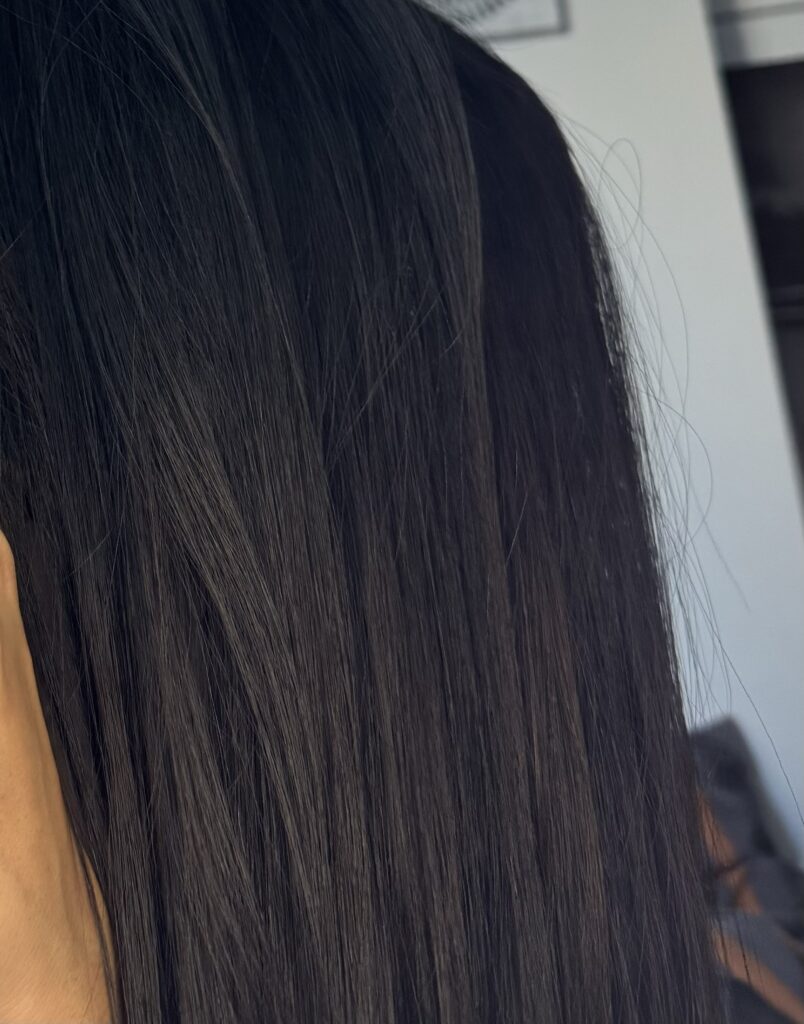
Botox may be a familiar term, but Hair Botox is something else entirely. It’s a deep conditioning treatment designed to repair and revitalize your hair. Keratin treatments primarily focuses on straightening, while hair Botox is more about nourishment and rejuvenation. The solution that is applied to the hair contains ingredients like collagen, vitamins, amino acids, and natural oils that play a role in restoring the hair’s natural health and elasticity.
The application process is simple: the nutrient-rich formula is first applied to the hair. After letting the treatment sit for a specified amount of time, the formula is bonded to the hair through thermal activation. While the heat temperature required for a keratin treatment goes up to 450°F, hair botox uses temperatures much lower, ranging from 250-300°F. This creates a smoother, shinier appearance without the use of extreme heat or harsh chemicals. The result? Soft, manageable hair that feels healthy.
Because hair botox doesn’t involve the same high temperatures or harsh chemical restructuring as keratin, it’s a much preferred option for most hair types. It can be used on color-treated (keratin treatments may strip away color-treated hair), damaged, or fine hair without the worry of causing further harm. A great bonus is that it doesn’t contain formaldehyde, so there’s no risk of inhaling harmful fumes during the treatment.
Ultimately, if the goal is to rejuvenate, soften, and repair, hair botox should not only be the recommended treatment, but the norm.
The Benefits:
- Non-damaging formula with nutrient filled ingredient aimed to repair
- Suitable for all hair types (Keratin is not recommended for those with coloured or extremely damaged hair)
- Formaldehyde free treatment
- Given that it’s not damaging to the hair, continued treatments has no adverse effects on hair health
The Cons:
- The longevity of hair botox is much shorter than keratin treatment with the methods being less aggressive, ranging from 1-3 months. Extending the logetivity depends on several factors mentioned in the tips below
- Hair botox can costly, ranging from $150+ per treatment
Extending the Effects of Hair Botox
The fact is, hair botox doesn’t last a long as Keratin treatments. But how can you extend the longetivity before getting your next treatment? This is dependent on multiple factors
- The individual person’s hair type, which cannot be controlled. Some individuals’ hair can simply bond to the formula much more effectively and for a longer period of time
- Hair products used for shampooing and conditioning must be sulfur-free. When sulfur interacts with hair treated with hair Botox, it strips away the formula, making the treatment ineffective.
- Keep your hair protected by using a heat protectant spray before any heat styling.
- Limit how often you wash your hair. I’m not suggesting skipping washes altogether, but by shampooing daily, it will significantly reduce the longevity of the treatment.


